




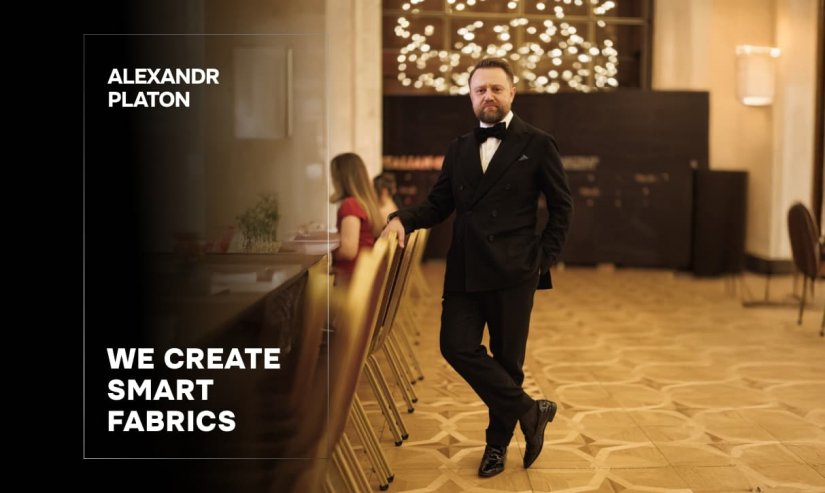

Interview with Alexandr Platon, Sales Director of the brand ga.za.ba in Dubai.
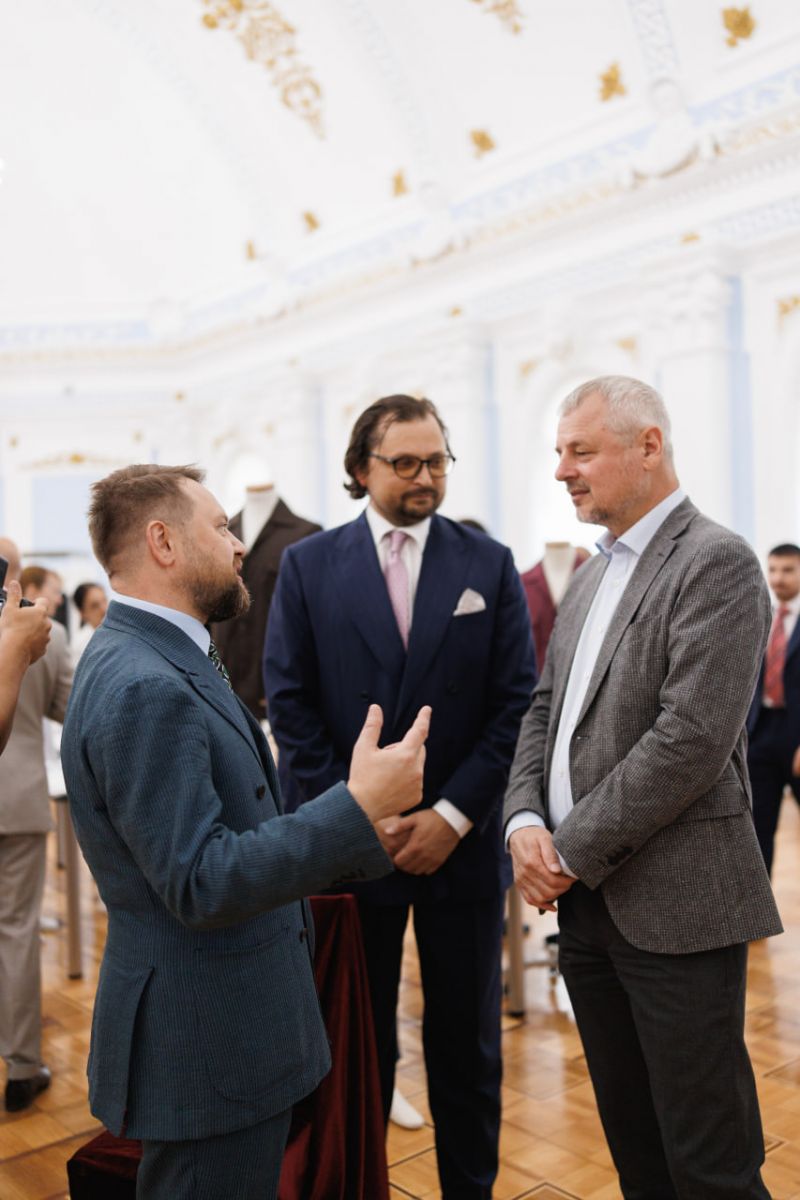
The Sartoria Deluxe Creative exhibition at the National Museum of History. A morning when several Italian masters, people who have shaped the culture of tailoring for decades, gathered in Chișinău. They didn’t come here for sales or contracts. The main goal was to showcase the value of craftsmanship and to inspire those who are just beginning their journey.
Among the guests was Alexandr Platon - a man who understands the fabric market very well. He lives in Dubai, works as Export Manager at ga.za.ba, and oversees sales across different continents. We spoke with him about how fabric collections are born, what it means to compete with established brands, and why Moldova could put its focus on craft.
Alexandr, tell us about your company. What does ga.za.ba do?
I’m responsible for export and sales. ga.za.ba is a fabric brand that we fully develop ourselves - from composition and design to the final characteristics. In Dubai, we have a design studio and a logistics center, but our production is located in Italy, Japan, and China - wherever the best expertise is. In our warehouses in Dubai and China, we keep about one and a half million meters of fabric. Essentially, it’s a huge library that is always available and constantly updated.
How does the fabric selection process work?
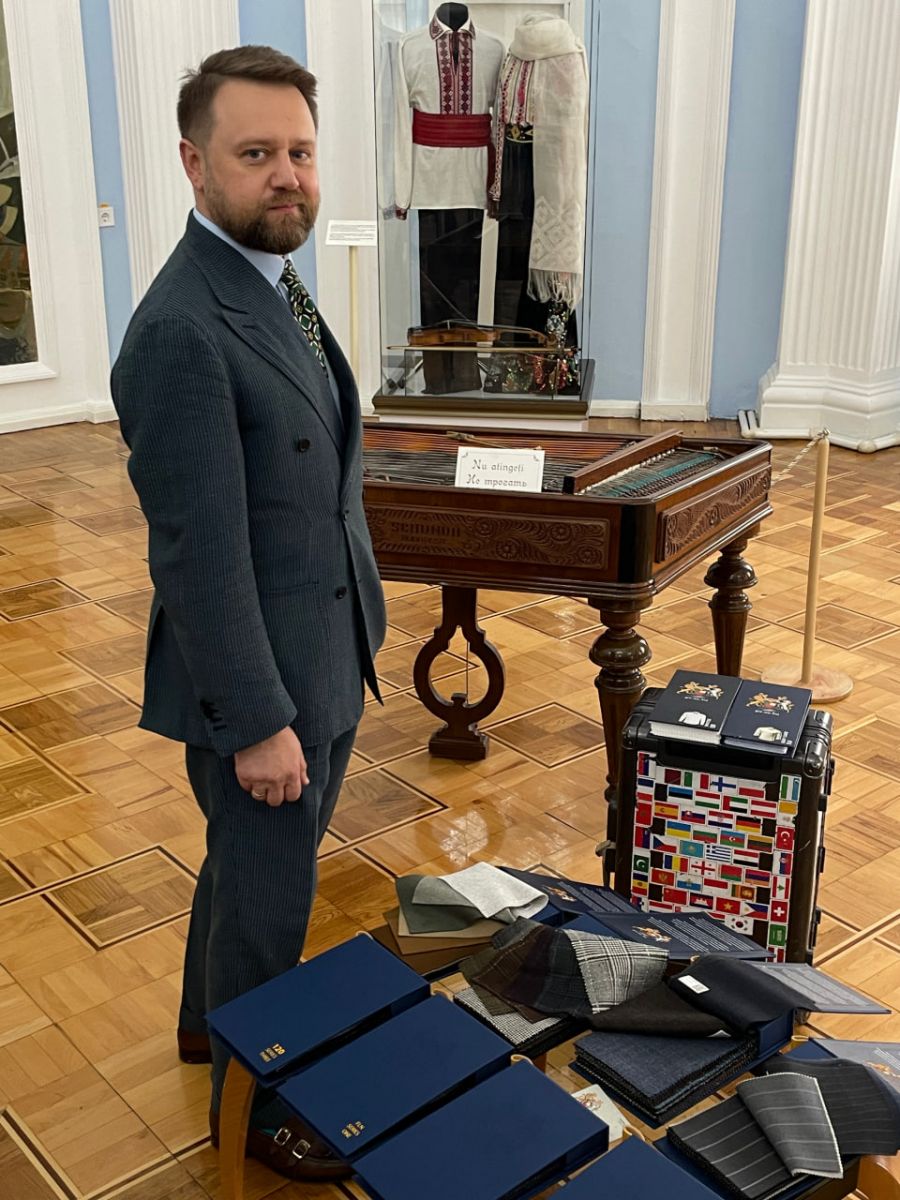
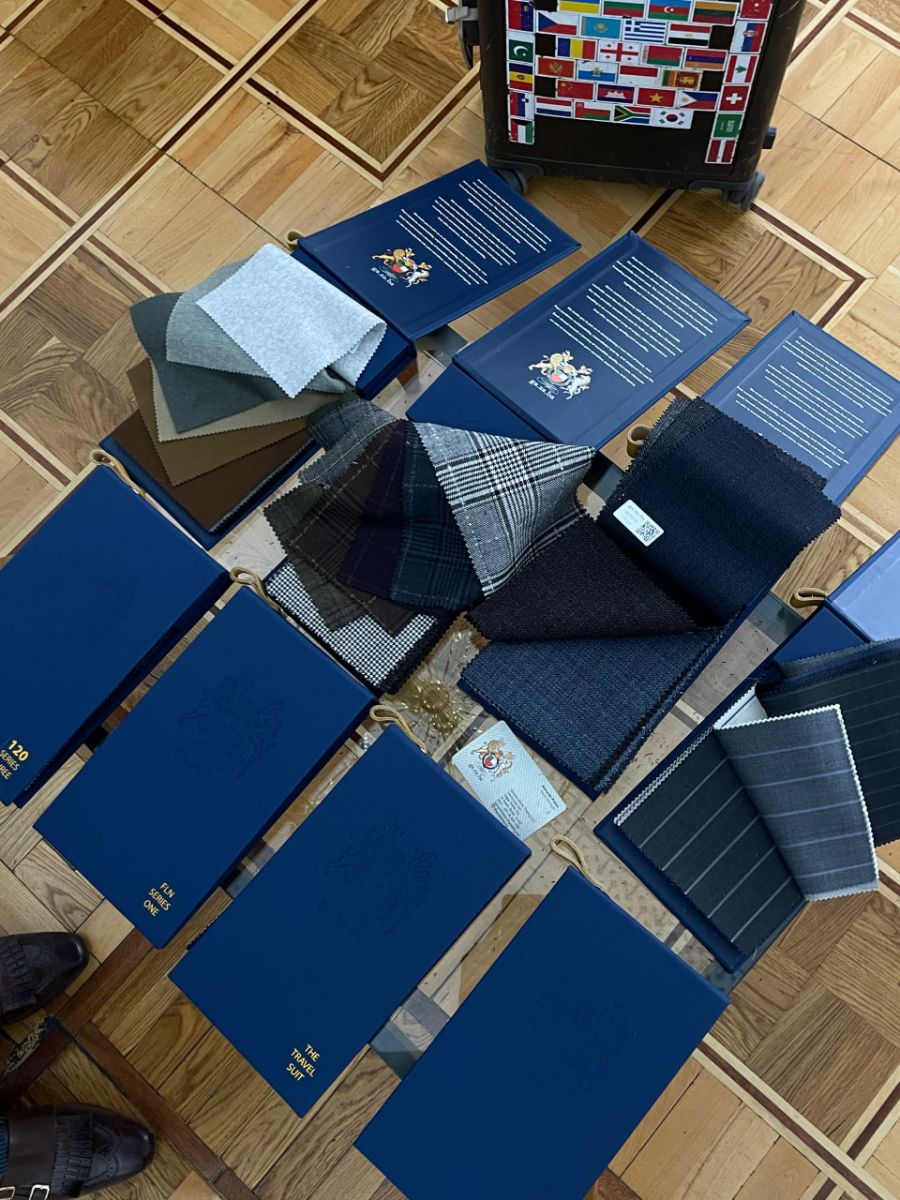
For our clients’ convenience, we release special books - bunches. Each contains themed collections: solid-color jackets, seasonal suits, stretch fabrics, light summer options. A tailor or atelier opens the book, chooses a code, sends it to us. We issue an invoice, and the order is shipped the same day. It’s a streamlined and well-known process in the industry. After all, tailors need to show their clients dozens or even hundreds of samples, while the actual purchase is for just one fabric, for one suit.
So private clients cannot access your fabrics directly?
That’s correct. We work only in the B2B format - with tailors and ateliers. But private clients can still wear our fabrics. In Moldova, for example, it’s possible at Sandro Livv or with independent tailors who work with our collections. A client comes to the atelier, chooses a fabric from our book - and receives a finished suit. So the end consumer connects with us through those who can transform fabric into a garment.
Do you design the fabrics yourselves? How are the collections created?
We collaborate closely with Italian brands, so we have a strong feel for their taste and aesthetics. Our books are our attempt to interpret that taste and present it with a Middle Eastern touch. These are colors and patterns that may seem complex, but they’re fashionable in Italy. We have cashmere with wool for coats, soft lightweight flannels, fabrics with stretch added. In the end, it’s a balance: classic, but modern and comfortable in execution.
Which countries are your strongest markets today?
In Europe, we are active in Italy, Switzerland, and London. But the biggest revelation for me was South Korea. It was a cultural shock: the level of their tailors matches the Neapolitan ones, but they perceive the product even more delicately. I visited their workshops, showed the collection, and within three weeks they started ordering hundreds of meters. For a young brand, that’s undoubtedly a sign of recognition. We also work with South Africa and Vietnam. But each country has its specifics: partners have thousands of such books, and you need to make sure your samples land on the client’s table. That’s always a challenge, but also what makes it interesting.
Alexandr, in your opinion, how do your fabrics differ from those of other manufacturers?
The key difference is in the combination of price and technology. On average, our fabrics are three times cheaper than those of established brands, but that doesn’t mean they’re inferior. We focus on innovation. Our fabrics don’t wrinkle, they can be machine-washed, they dry quickly, they’re lightweight and durable. These are so-called “smart” fabrics - their possibilities go beyond classic wool. And yes, even in the premium segment, clients pay attention to price.
Finally, what was the main impression you personally took away from your visit to Chișinău?
For me, the highlight was the event itself. For the first time in history, Neapolitan masters all traveled abroad together to showcase their craft. And it happened here, in Moldova. I hope that the younger generation will look at this and feel inspired. Imagine: “I made gloves, sold them for two hundred dollars, and this work not only brings joy but also a decent income.” I believe it’s precisely such moments that can become the foundation of a new tradition - not Italian, but Moldovan. One that people will be proud to talk about.
.jpg)

 Life Principles


