




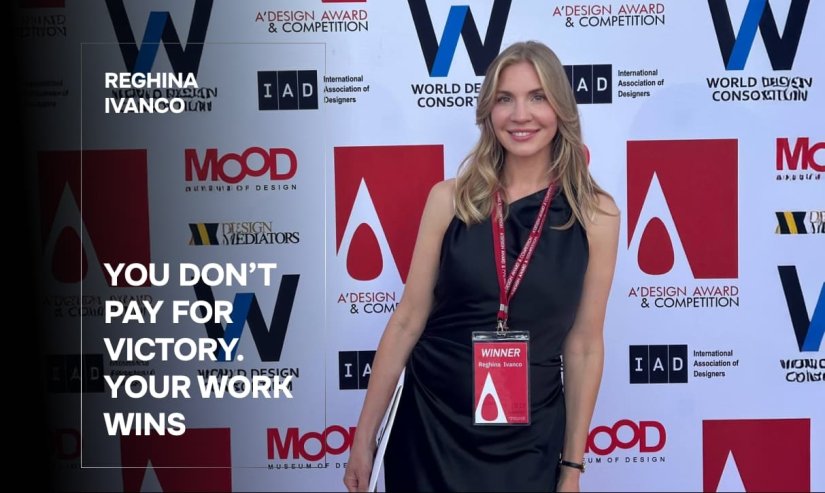

Interview with Reghina Ivanco, Founder of Art Focus Studio
This interview is connected to international competitions for designers and architects in which Reghina has taken part.
During our conversation, she mentioned only their names. Yes, for professionals these names speak for themselves, but I decided - for myself and for the readers - to look a bit deeper into what these competitions actually are. I assume I’m not the only one who now has ChatGPT as an assistant, so here is the information it provided:
SBID International Design Awards, United Kingdom (Society of British & International Interior Design)
One of the most authoritative professional competitions in interior design. It is organized by a British professional association, not by media or brands. Participation is, in fact, an entry into a closed professional club. It has a strong regional structure (Western / Eastern Europe, America, Asia, etc.). There are few finalists, the selection process is strict, and the jury consists of practicing professionals. Even without winning, the reputational value is very high. Level: top professional league, “for insiders.”
As a journalist, it is much easier for me to work this way, with additional background information. At least then you understand what stands behind one abbreviation or another.
ICONIC AWARDS is a major international architectural and design award organized by the German Design Council, founded in 1953 on the initiative of the Bundestag.
This is an institutional award aimed at architects, designers, developers, and studios operating on an international level.
A’ Design Award & Competition, Italy
One of the largest design competitions in the world by scale. Tens of thousands of participants every year, hundreds of categories. A very strong PR machine: catalogs, international distribution, exhibitions. Winning or receiving an award means global visibility. It is less “intimate” than SBID, but far more massive and international.
Why this combination matters (this is still ChatGPT). SBID is confirmation of professional level within the industry. A’ Design Award is international visibility and scale. Together, they create not just “one medal,” but a clear trajectory - from the professional community to the international stage.
Yes, ChatGPT likes to add loud phrases, but the level of these competitions is now clear.
Now - the interview.
Reghina, hello. Judging by the publications I’ve seen this year in the Moldovan press, 2025 became your year of participation in international competitions?
Probably this period of my life started not this year, but last year. That’s how I define it for myself - the period of competitions. Not because it was planned in advance, but because at some point participation in competitions began to occupy a very important place in my professional life.
Every period has a beginning. Where did this one start?
It all started with SBID in 2024. This is the British society of designers and architects. Here a small clarification is needed. I was looking for an interesting professional community for myself, and that’s what led me to join this association. It is international, and not only British professionals can become members.
Already being part of the association, I started thinking: why not submit my work to the competition that SBID organizes? Especially since participation in the competition is free for members. This is not the case where you pay for a medal. I submitted two projects in the category “Residential Interior under one million euros,” and, unexpectedly for myself, both projects reached the finals. And although there was no win in the final, for me it was still a very strong professional signal.
What did you feel when both projects made it to the final?
It seems that after this experience you wanted to continue?
Yes, very strongly. That’s exactly what motivated me to move forward. Not the ceremony itself, but the feeling of the environment you find yourself in.
And you chose a competition like A’ Design Award in Italy?
Yes, that is a completely different scale. At first, it was a real quest for me. There are more than two hundred categories in the competition. I probably spent two days just scrolling through the list to understand where a project could even be submitted. In the end, I chose the luxury category, because I had a project with the appropriate stylistics. But later they wrote to me that my work was being moved to another, broader category - simply residential interiors.
And what kind of project was it that made you choose luxury?
A single interior project in Romania, in Suceava. The client wanted exactly that style, and I implemented it.
How did you react to the project being moved to another category?
I was very upset. It seemed to me that in a broader category the competition would be higher and my chances would be ten times lower. So I thought to myself: “Well, I participated - and that’s it.” And then suddenly an email arrived saying that I was a bronze winner. There was no limit to my happiness. It was completely unexpected.
Where did the award ceremony take place?
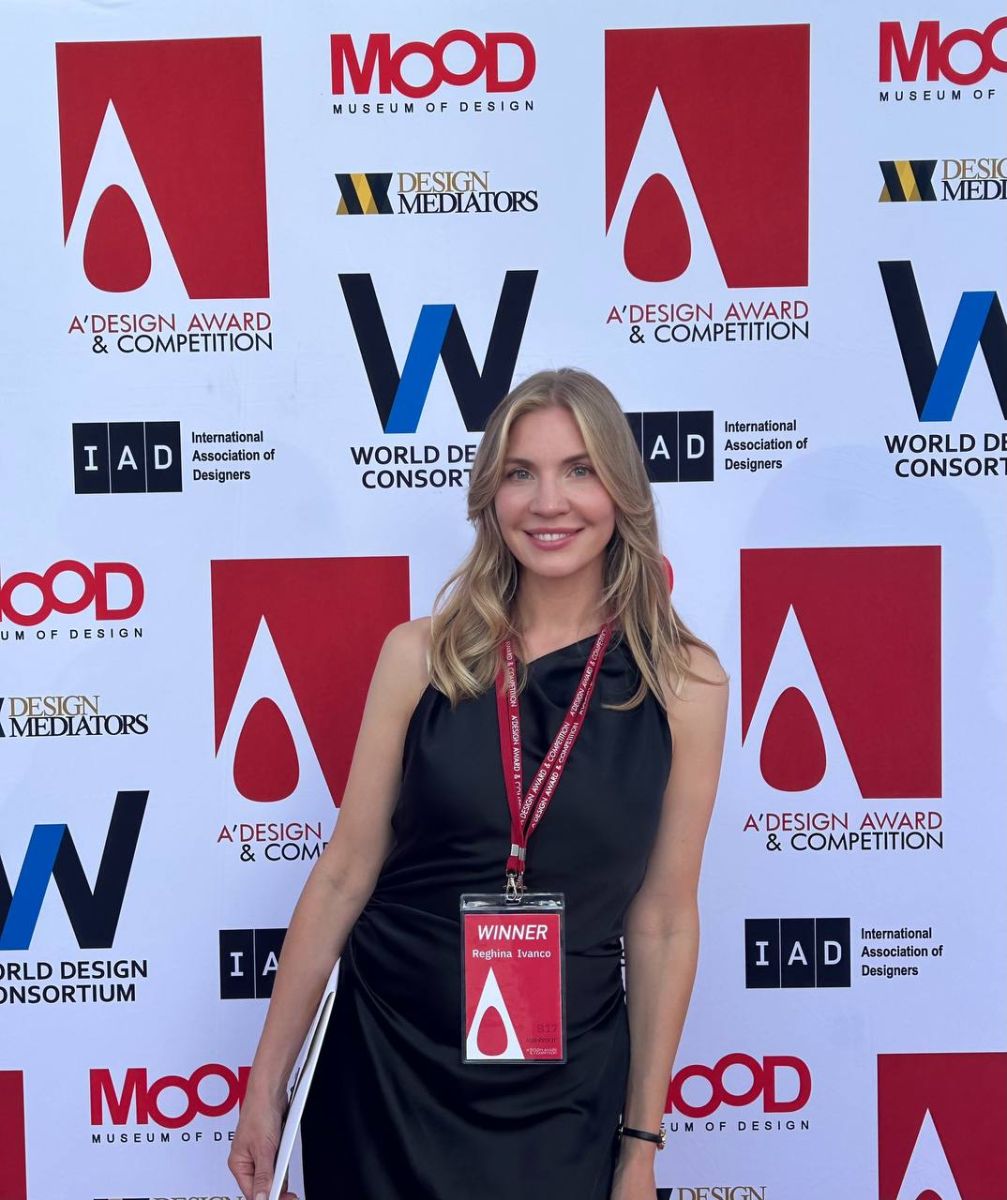
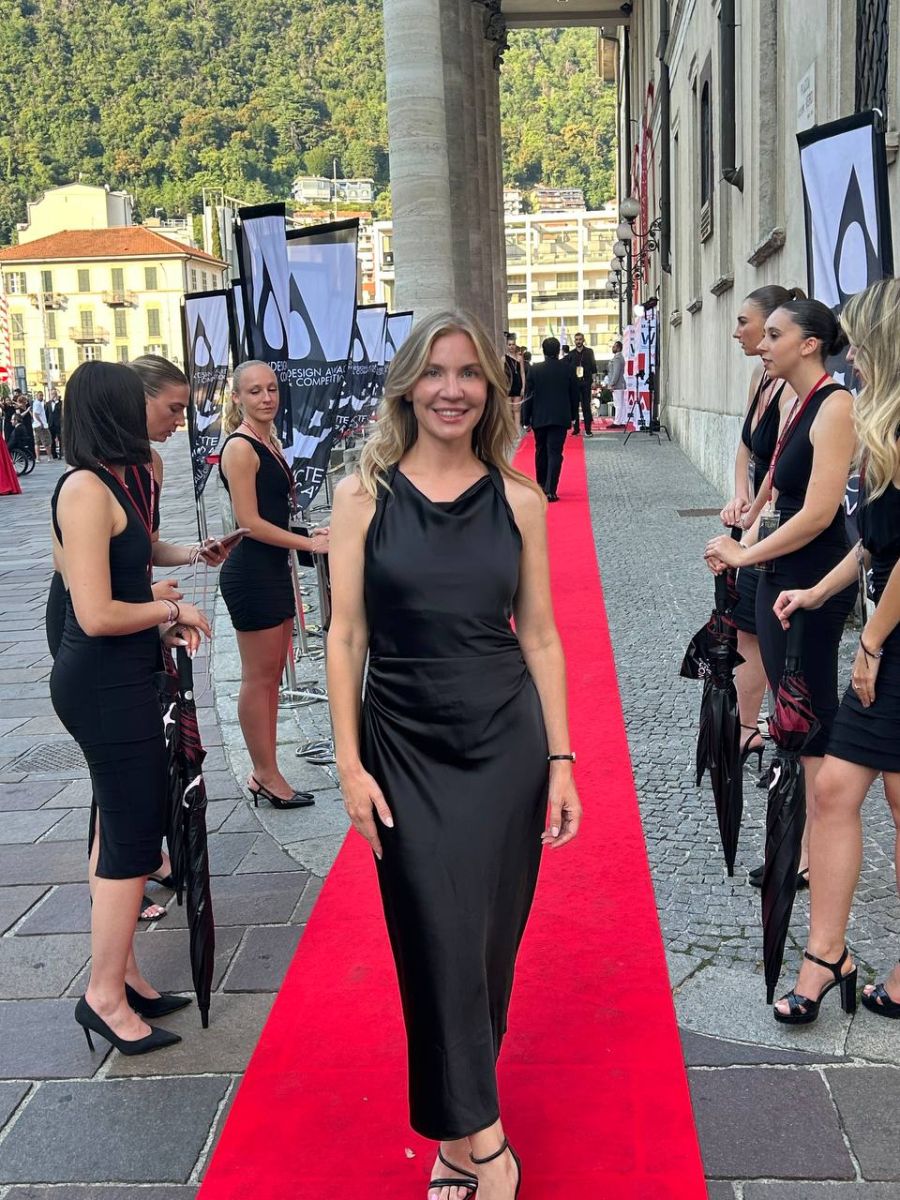
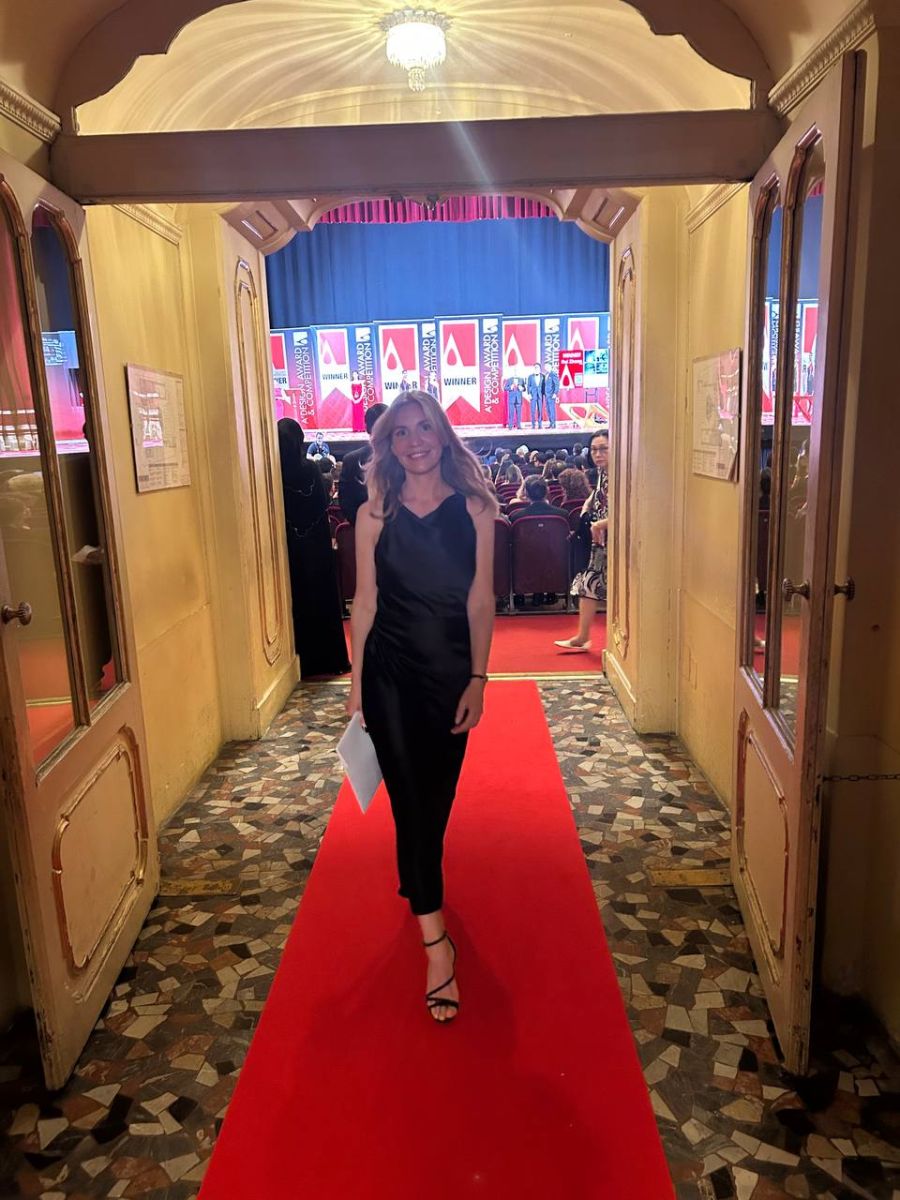
At Lake Como. They chose a town that is actually called Como, in an old theater right in the city center. Red carpet, dress code, everything very well thought out. They sent me a huge email in advance - several pages - just about appearance. Everything was described there: fabrics, shoes, jewelry, even recommendations on where to get your hair done. At some point you realize that it’s better to wear nothing at all than to wear something wrong.
Did it feel like you were going to a film festival?
You know, this approach is not about pomp. It’s about deep respect for the profession and its cultural code. You feel that you are inside a professional ritual, not just at an event.
Let me ask a grounded question, by contrast. You invest time and money in participating in competitions anyway. Even the trip itself and a dress for the ceremony are tangible expenses. What does it give you? Do international competitions bring direct clients?
No. If someone thinks that after a competition a line of clients immediately forms - that’s an illusion. Competitions do not bring direct commissions.
So what is the real value?
It’s a long chain. Catalogs, mentions, invitations, connections. Other companies start to recognize you, start inviting you to events. Sometimes offers appear that simply didn’t exist before. These are “long-term” investments. Besides, you can’t measure your life only in money. When your profession allows you to attend events like this - not to mention winning competitions - you stop doubting and hesitating whether you are doing the right thing in life.
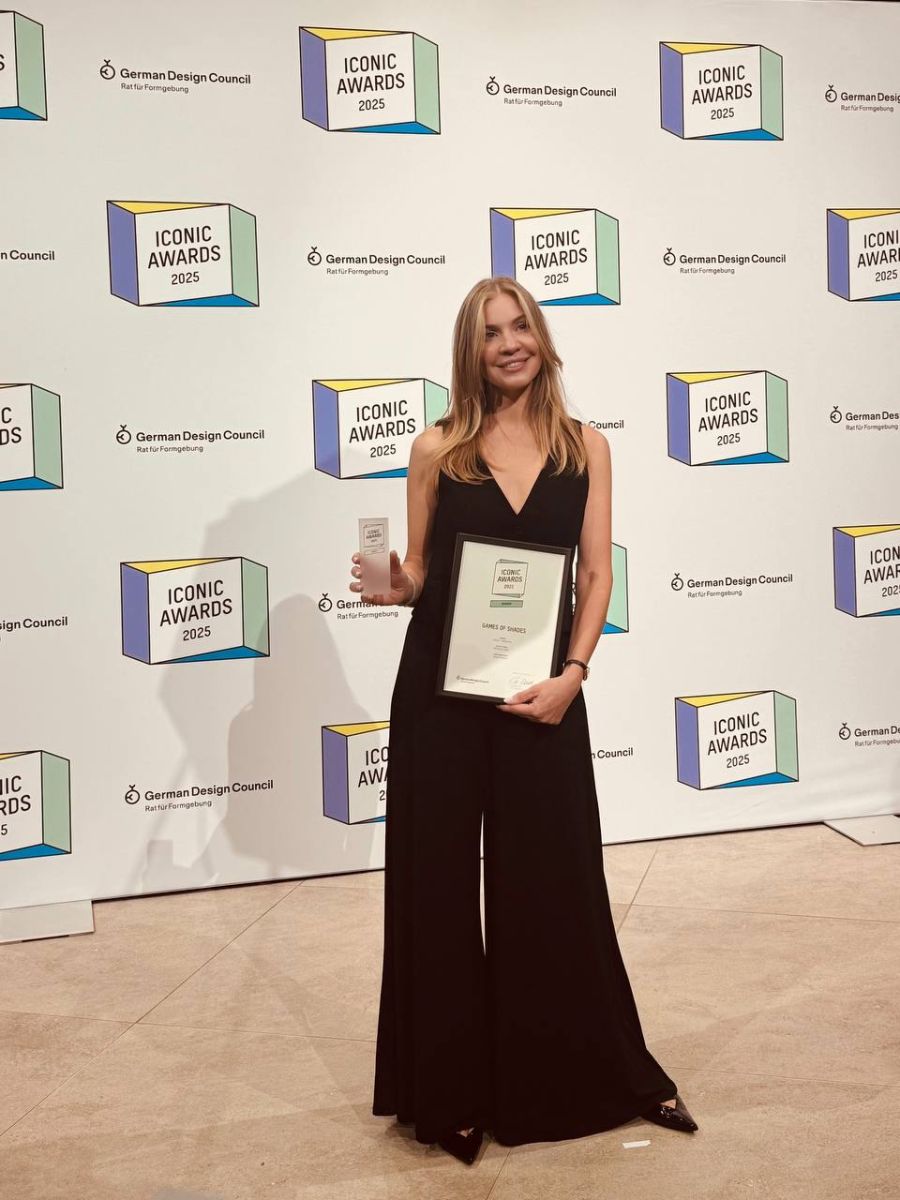
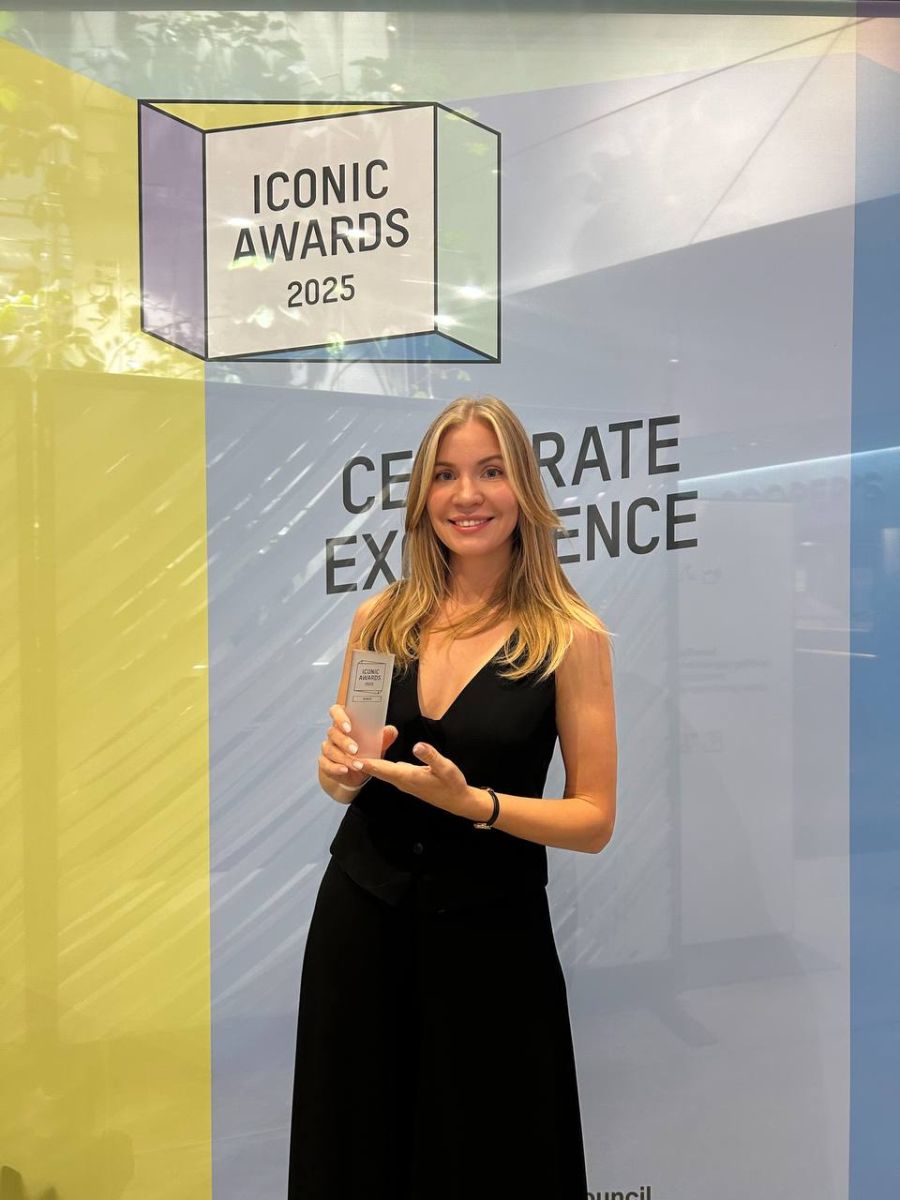
One thing is gratitude from a client - and emotionally it is also very important - but it’s another thing when your work, a residential penthouse for a family, wins the ICONIC AWARDS in Munich in the “Residential Interior” category. And it is professionals who evaluate you.
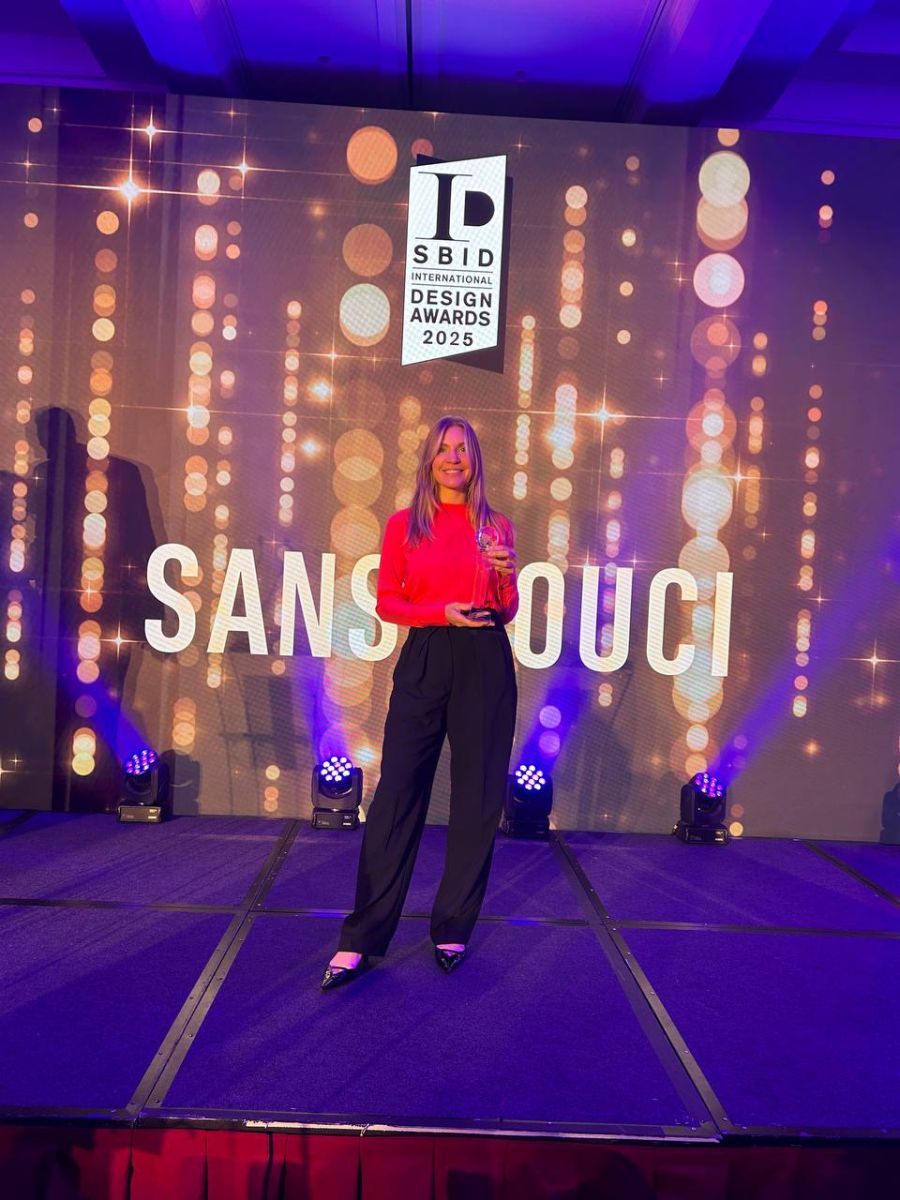
This year you became the best in Eastern Europe and in one of the categories at SBID. Was this project initially created for a competition?
Not at all. It was a regular working project. An apartment in a “Stalin-era” building on Ștefan cel Mare. The client wanted to preserve the spirit of the place, and we worked very deeply on details, atmosphere, and the character of the space. When the project was finished, I didn’t even think of it as a competition project. At some point, I just decided to submit it.
Why do you think it resonated on an international level?
I think minimalism has started to tire everyone a bit. People care about depth, character, and history again. And in Europe, this is felt very strongly. And this project is exactly that kind of work - with the aroma and atmosphere of a bygone era and respect for it. There is a huge corridor, four rooms; the owner wanted to recreate the atmosphere of old Saint Petersburg, and I think I managed to do that. At least in London, the project was appreciated.
How did the award ceremony go?
It will probably be one of the brightest memories of this year. A gala dinner at Lancaster Hall Hotel in London. Before dinner, guests get to know each other; at the tables - a full international mix. Next to me was a couple of architects and designers from California; three other women flew in from New Zealand. A full day of travel just for such a dinner - for me, that would be heroism, but they also wanted to be there. Considering the upcoming holidays, it felt like celebrating New Year’s Eve at a ball of professionals from your own field.
I can imagine it. I envy you - I’ve never attended journalistic events of that scale. Let’s get back to competitions. Will you continue, or was this a necessary period - you got everything you wanted and tomorrow you’ll be looking for new impressions?
I will continue. I believe that international competitions are part of the culture of the design profession, part of its objective professional evaluation. Because you don’t pay for victory. Your work wins. And for me, that is the most important thing.

 Life Principles


