





An interview with Aiga Irmeja, Executive Director of the Latvian IT Cluster / Digital Innovation Hub
Aiga, I like to start with a simple question… although maybe this one isn’t that simple after all. You’re from Riga. A beautiful, European city with a lot of history. But building an IT career in the 90s—now that was a rare thing. How did it happen?
I’ve lived in Riga all my life. Like everyone from my generation, I grew up during a time of major change. My school years fell at the end of the Soviet era when a lot of things were shifting. And I think that really shaped me. Back then, there weren’t that many opportunities, but I tried to make the most of every one I had.
That’s exactly how it was with IT—I ended up there quite by accident. In 1995, a friend of a friend offered me a job at a small Latvian IT company. I remember that year very clearly because, during my first week on the job, Windows 95 was released. At the time, I was in my second year of university, but I decided it was a great chance. And honestly, that decision ended up defining my whole life.
By the way, my degree isn’t in IT—I have a business background—but I was interested in IT from the very start. I realized it wasn’t about “hardware”; it was about solutions. About how technology can help businesses.
Ah, one of those classic stories about people who “accidentally” found their profession and stayed there for decades. You stayed too, right?
Yes. And I’ve never regretted it.
And then came the move from private business to the NGO. Was that a conscious choice for something bigger, or just another coincidence?
Yes, there definitely came a point when it became clear—I needed something new. It’s not that I was bored, but I needed a new challenge. I felt I wanted to do something that helps others, something with bigger meaning.
When I got the offer to lead the Latvian IT Cluster, I didn’t hesitate for long. I knew this was what I needed. And it really was.
Business principles work just as well in the NGO, but here there’s always that bigger goal. It’s not just about making money, it’s about doing something valuable for the industry, for the country.
I really liked your phrase “bigger meaning.” What does that mean to you?
At first, we were focused only on helping our IT companies grow internationally. Export, new markets, international partnerships—that was the center of everything.
But then we realized there’s another big issue in the country—IT and other industries just weren’t talking to each other. Business saw IT as something external, unnecessary, complicated.
That’s when we started organizing events: representatives from one industry meet with people from another, discuss their problems and how technology can help solve them.
We keep repeating: “Digitalization is a business function.” It’s not something separate. It’s part of your business, your strategy, your business model.
In the past, business leaders used to say: “IT? That’s not my area. Let the IT guys handle it.” But today, that’s no longer possible. If a business owner thinks digitalization is just the IT department’s responsibility, they’re losing control over their business.
Thousands of small businesses are probably wincing at these words. Because for many of them, this is still true. How do you work with them?
In the past two and a half years, we’ve consulted around 3,500 companies. And I’m talking about individual consultations, not just lectures. At some point, we realized we physically didn’t have enough resources to help everyone. That’s when we created the Kickstart Digitalization program.
The name itself gives that little push to those who are still hesitant.
Exactly. If someone realizes they need digitalization but doesn’t know where to start—this program is for them. We call it “Kickstart Your Digitalization.”
The format is simple: four days spread over four weeks. The first day is an intensive: lectures, discussions, and case studies. Then there’s a one-week break to reflect and try to implement some first learnings.
Then we have another two other days for digging deeper into the details. After another week-long break comes the final day—by then, each participant clearly understands what their very first step will be. The key point here is that it’s their action, not something someone else does for them. Because again, we come back to where we started: digitalization is a business function. And it’s the business owner’s decision.
The first thing small businesses often focus on is marketing and sales. They need a website, an online store, or at least some digital tool to help boost sales. And that makes sense: people want to see quick results.
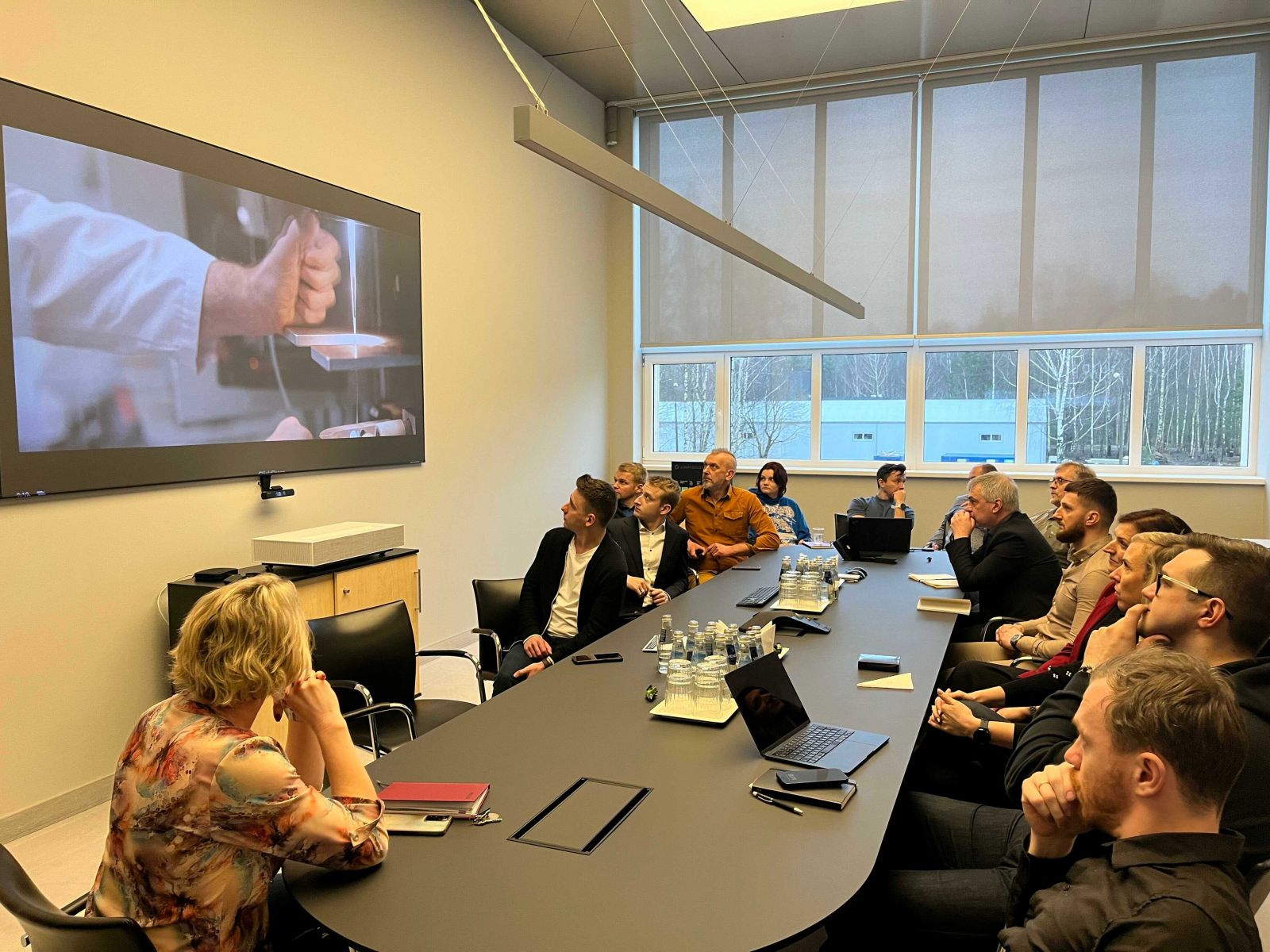
Kickstart Digitalization Training, Latvian IT Cluster
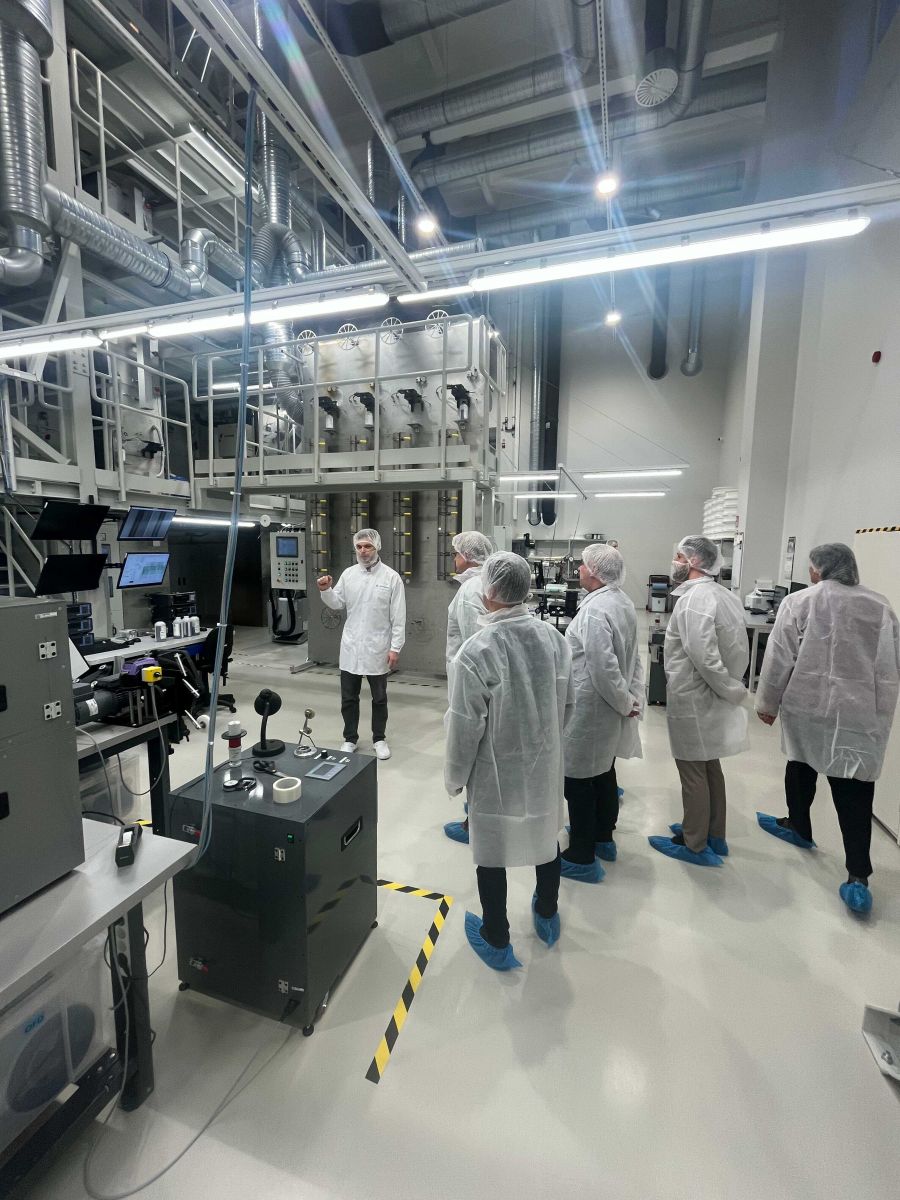
IT Coach Expert Visit, Latvian IT Cluster
I know exactly what you mean. I have a background in a marketing agency myself, and I know how hard it can be to explain that digital isn’t “optional”—it’s essential for survival.
Yes, exactly. And that’s what we work on every day.
And how involved are the IT companies from the cluster? What role do they play?
They’re very active: they speak at webinars, run mentoring sessions, share their expertise, and take part in Coach Expert Visits. We always ask them not just to talk about their own products but also about the market in general. For example, what a business needs to know before launching an online store—or how to even figure out if they really need one in the first place. That’s important.
Coach Expert Visit… Even the name sounds intriguing.
It’s one of our most interesting and challenging formats.
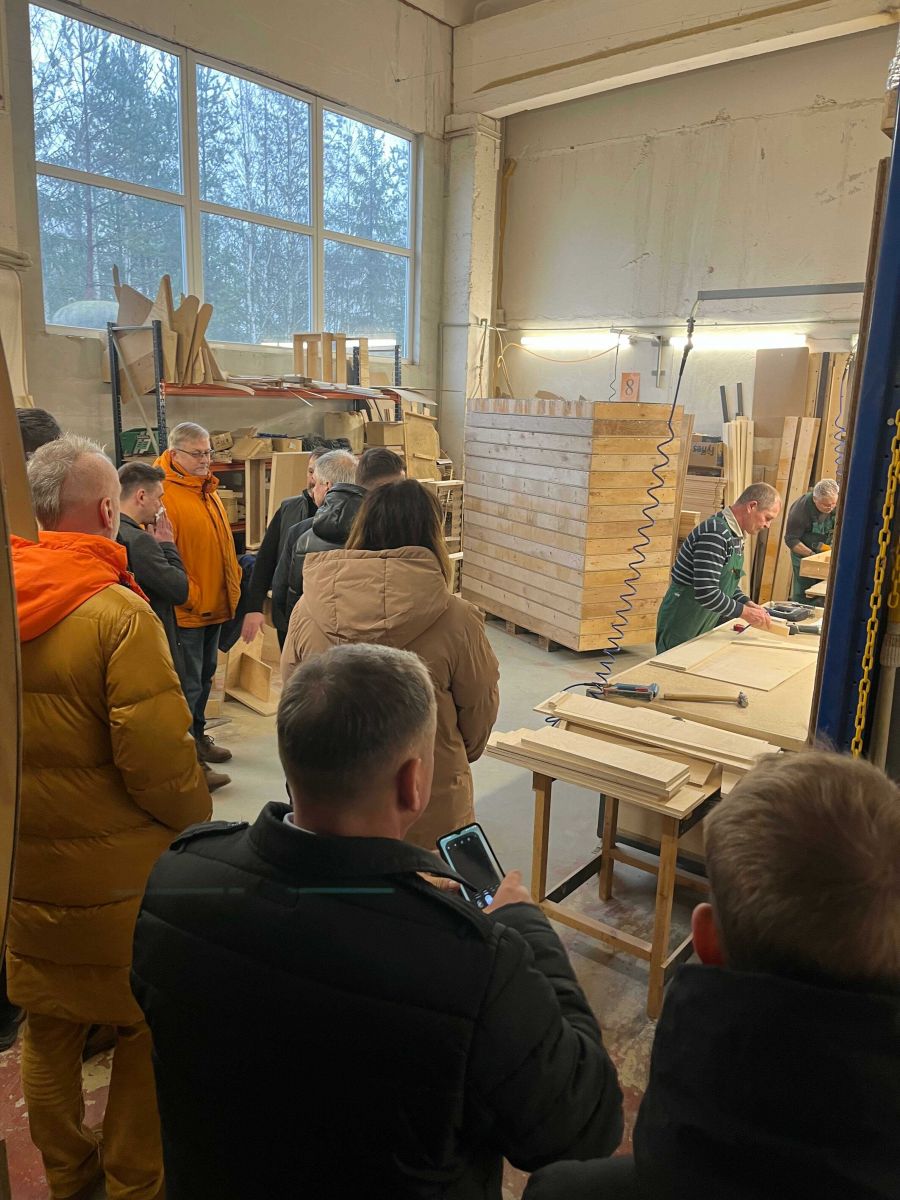
A Coach Expert Visit is when we gather a group of experts, take them to the client’s business site, and they provide honest, on-the-spot advice.
The one condition for the client is absolute openness. They have to speak honestly about their challenges.
The experts share their informal opinions—they don’t represent their companies during the visit, they’re just there as independent experts. But almost every time, these visits end with concrete projects for someone involved.
It’s a powerful format—for the client and for our companies.
I feel like that’s exactly the point where business and expertise really start to “see” each other for real.
Exactly.
And my last question… Geography. Which regions are you focusing on now? And where are you looking next?
Our members are exclusively Latvian IT companies. That’s our main focus.
Historically, we’ve worked with Northern Europe: the Baltic Sea countries—Latvia, Lithuania, Estonia, Finland, Sweden, Norway, Denmark, Poland.
Now we’re actively looking towards Central Asia, Ukraine, Moldova, and Turkey.
With Moldova, we’re just starting to build cooperation, but there’s already growing interest in working with the local European Digital Innovation Hubs (EDIH).
Moldova currently has five EDIH candidates. We don’t know all of them yet, but we want to meet each one. We’ve already been through some mistakes and learned from them. So I think our experience could be valuable for countries just starting their EDIH journey.
I’d also like to note that, in some areas, Moldova is even ahead of Latvia in digitalization. Your country is very ambitious—in the best possible way. And I welcome Moldova’s drive to move forward, choosing the path of digital development.
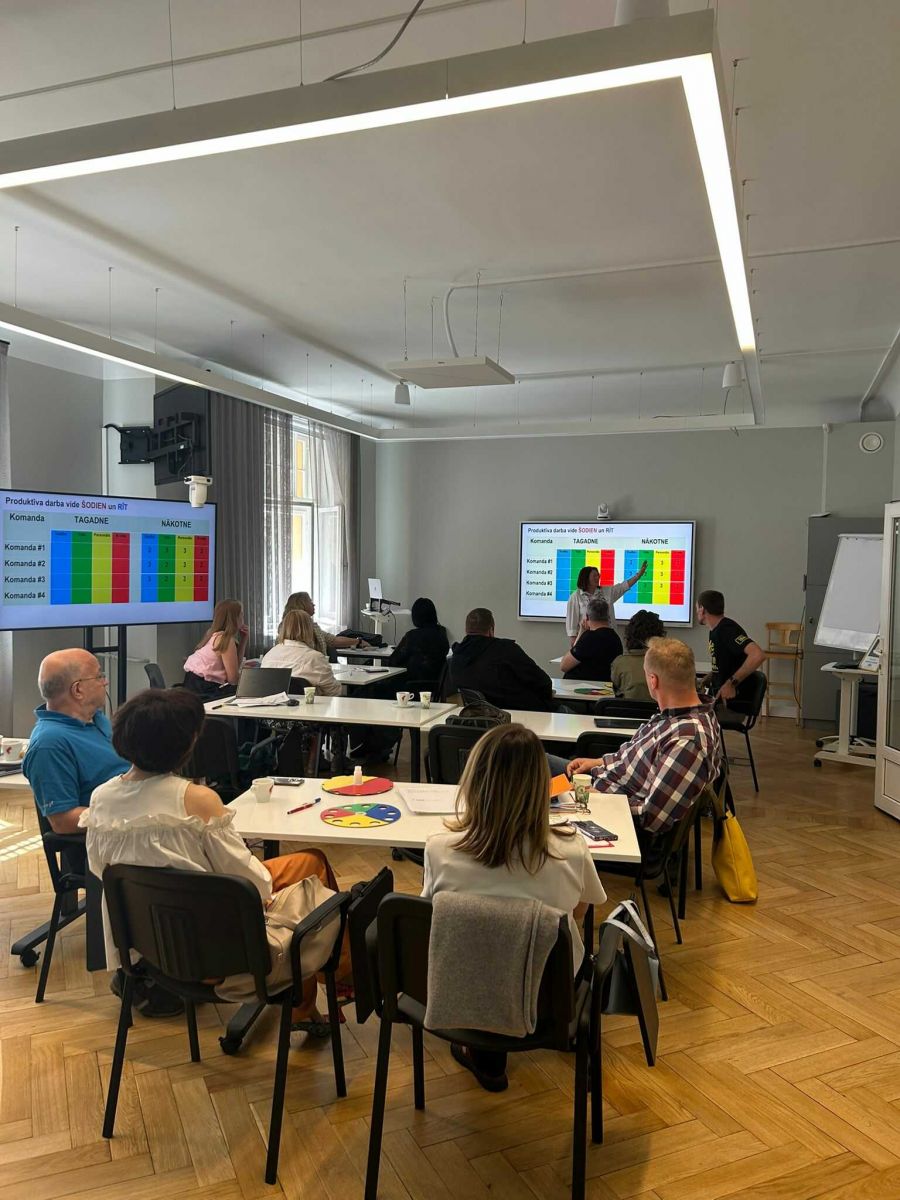

 Life Principles


